ABSTRACT
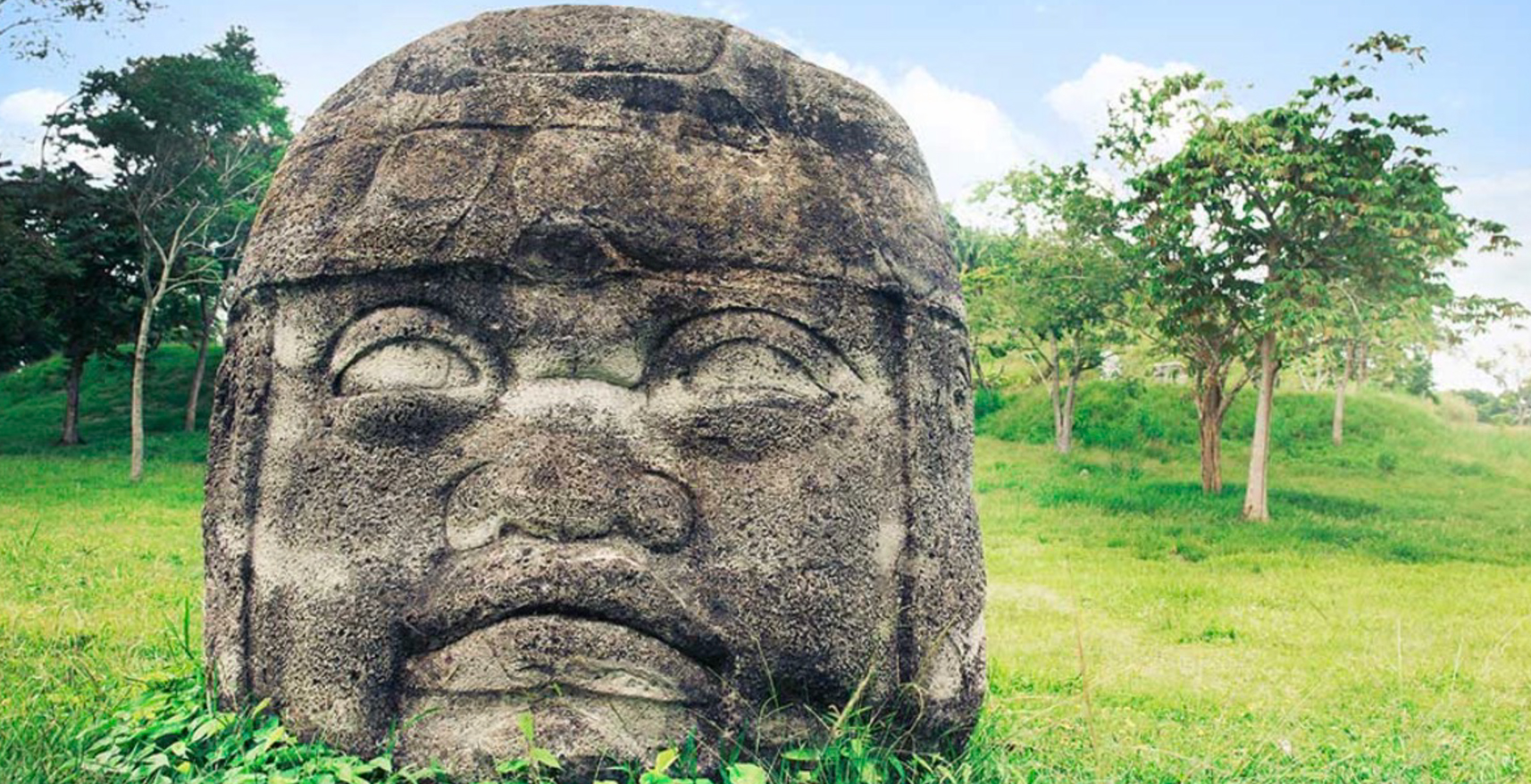
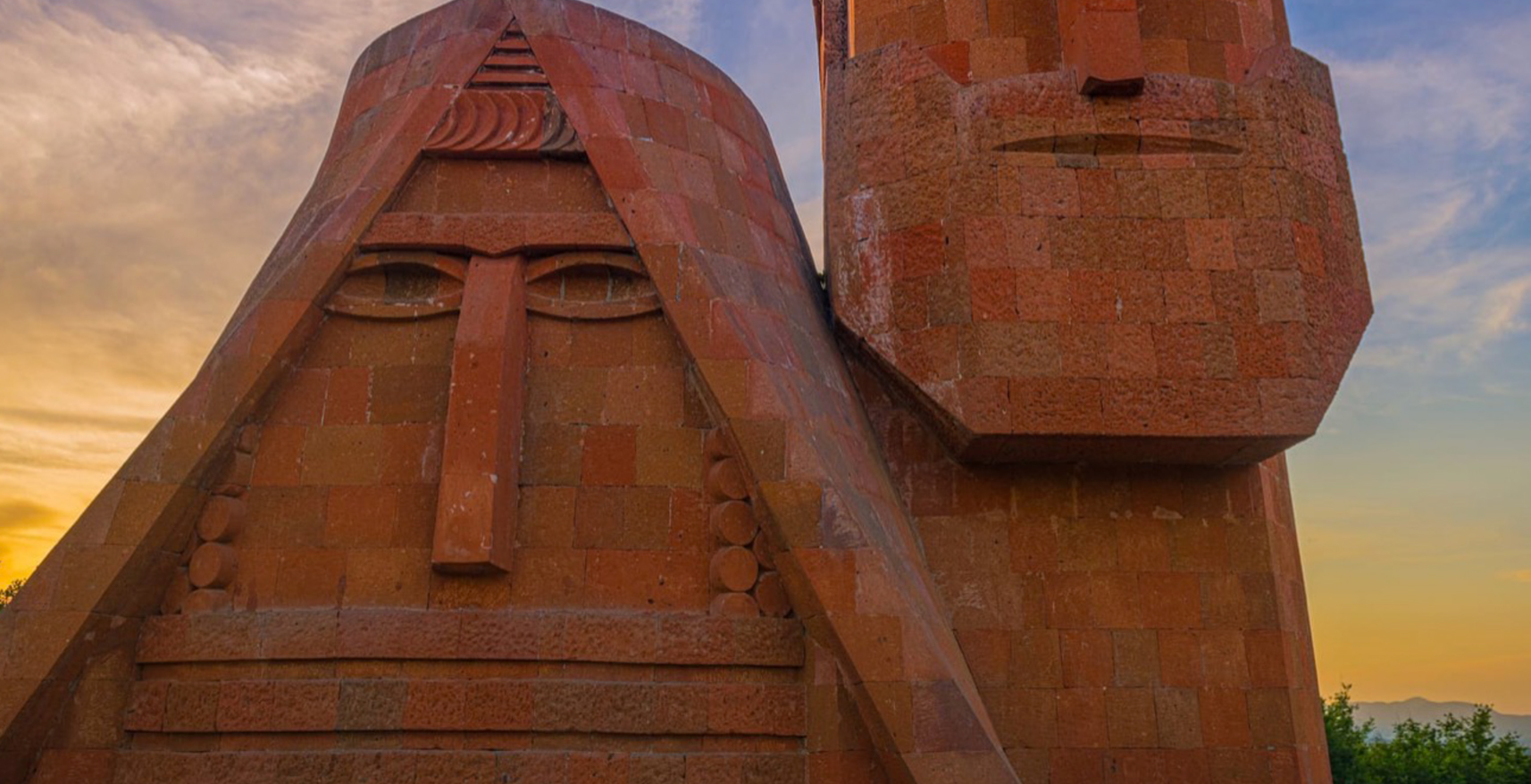
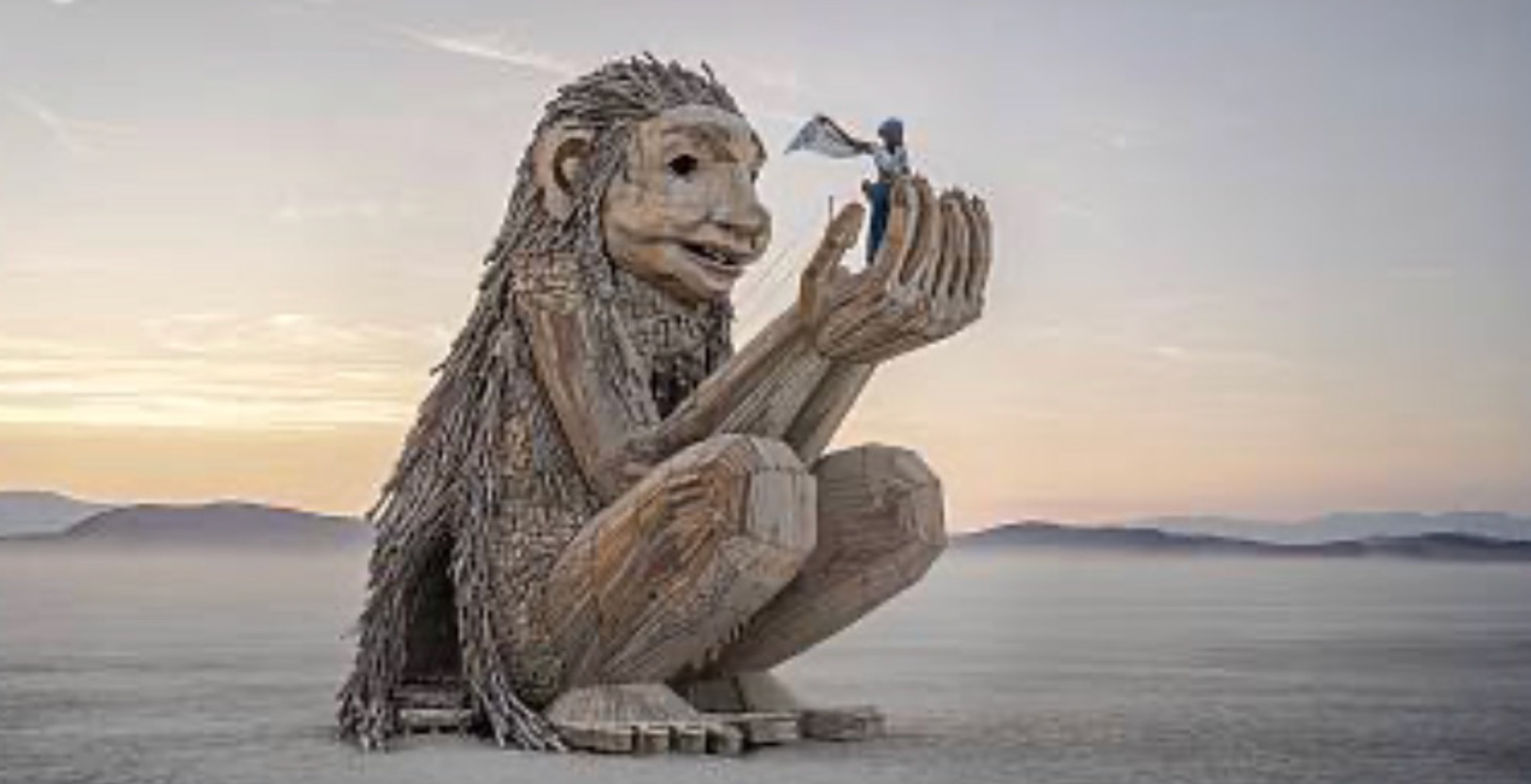
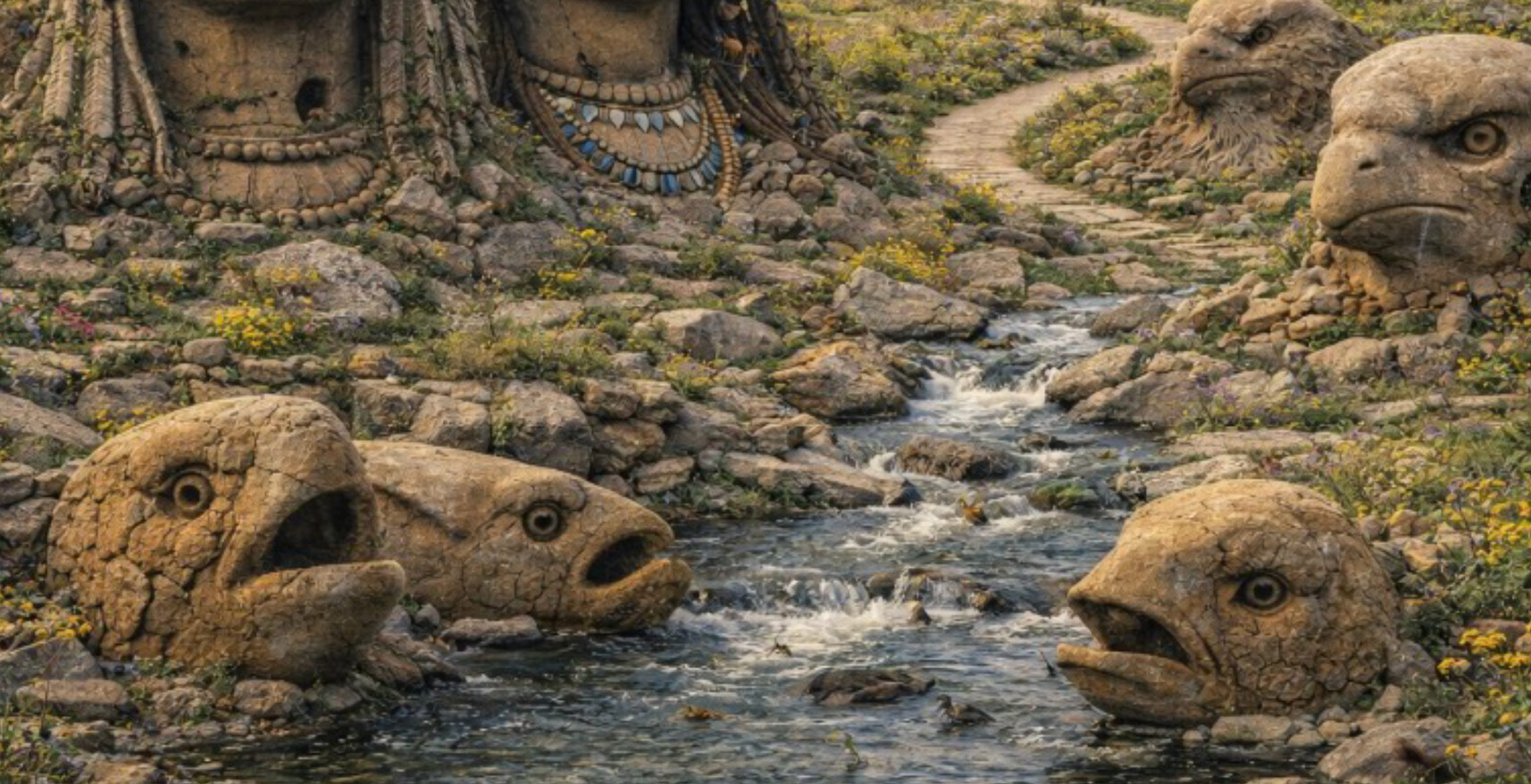
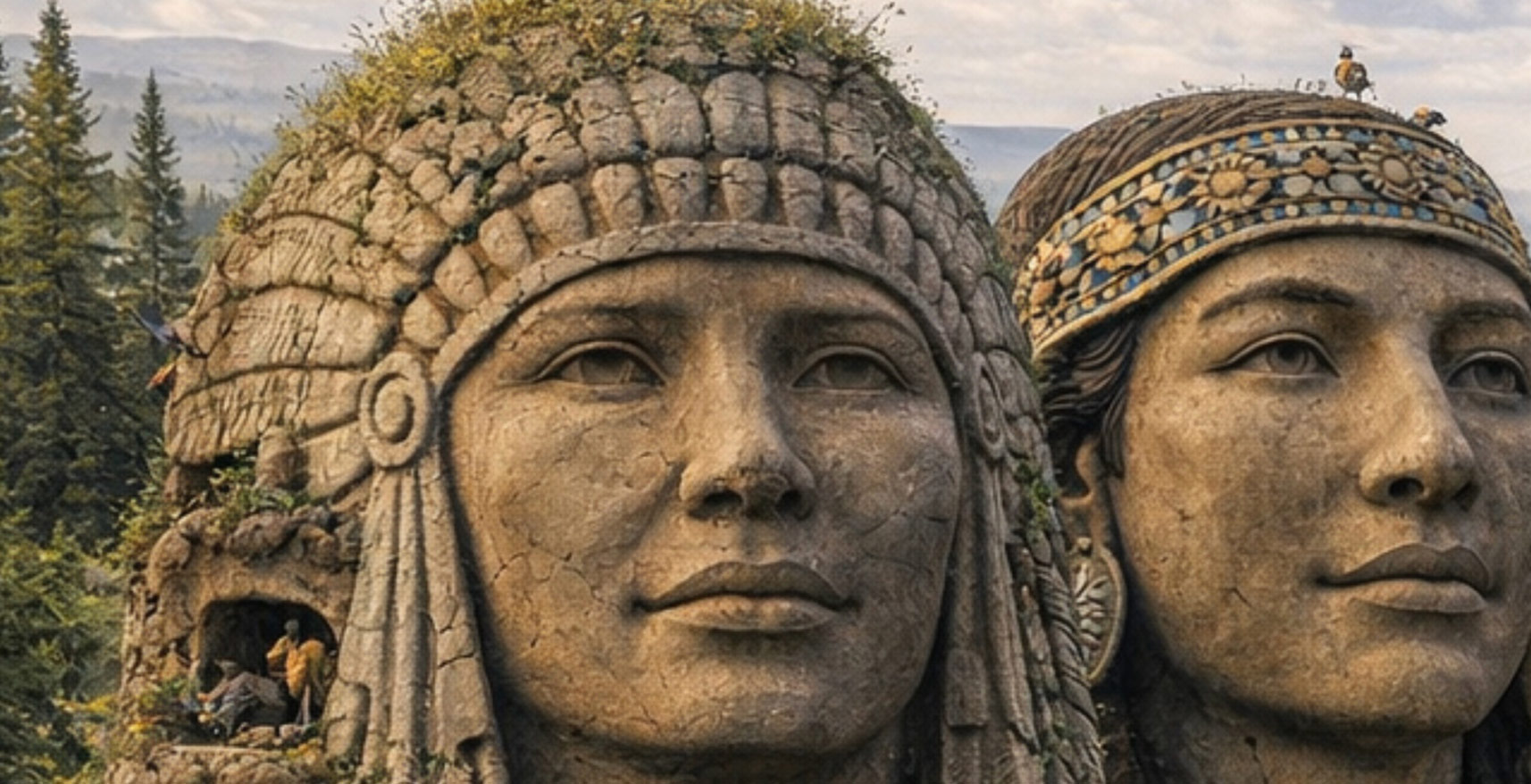
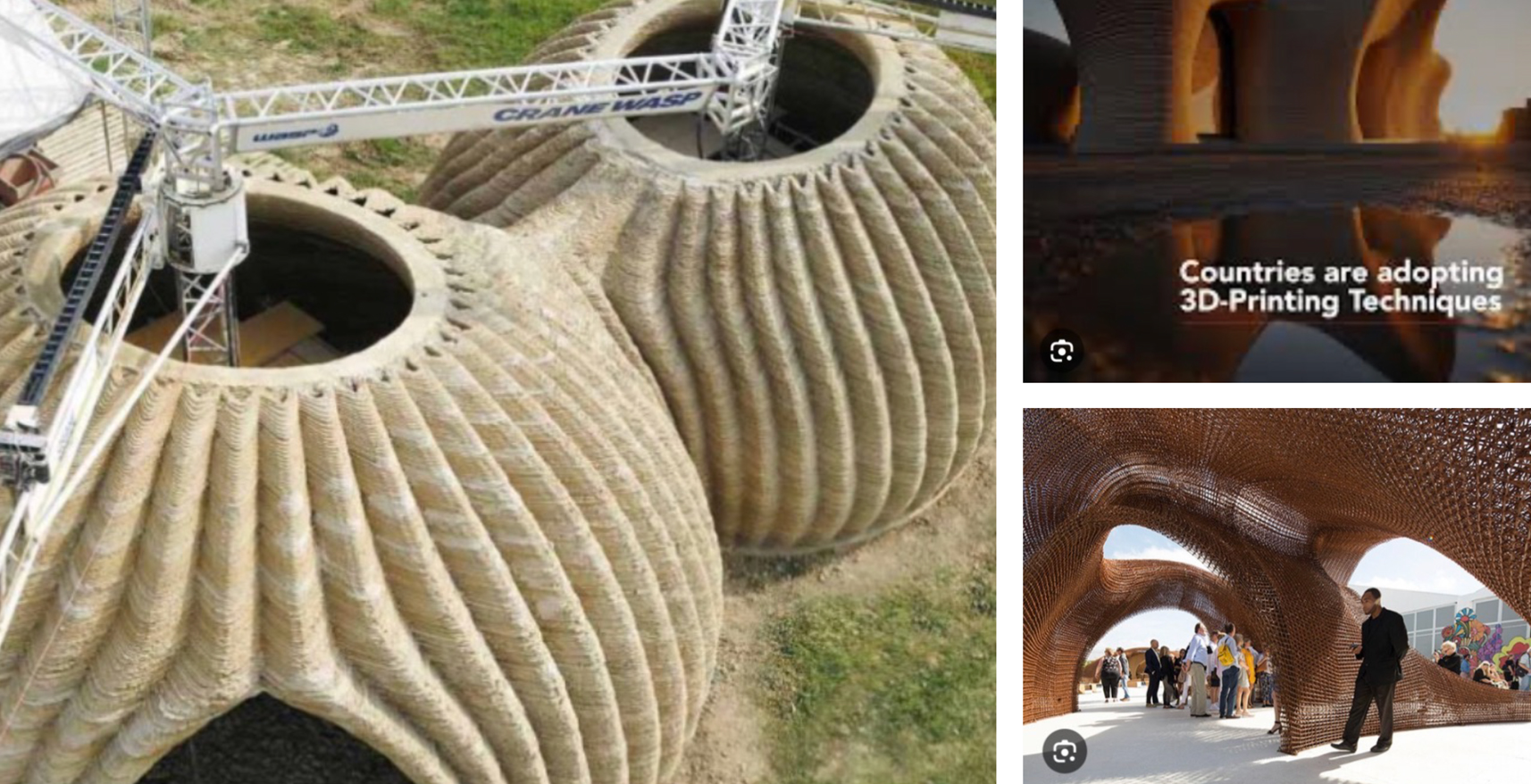
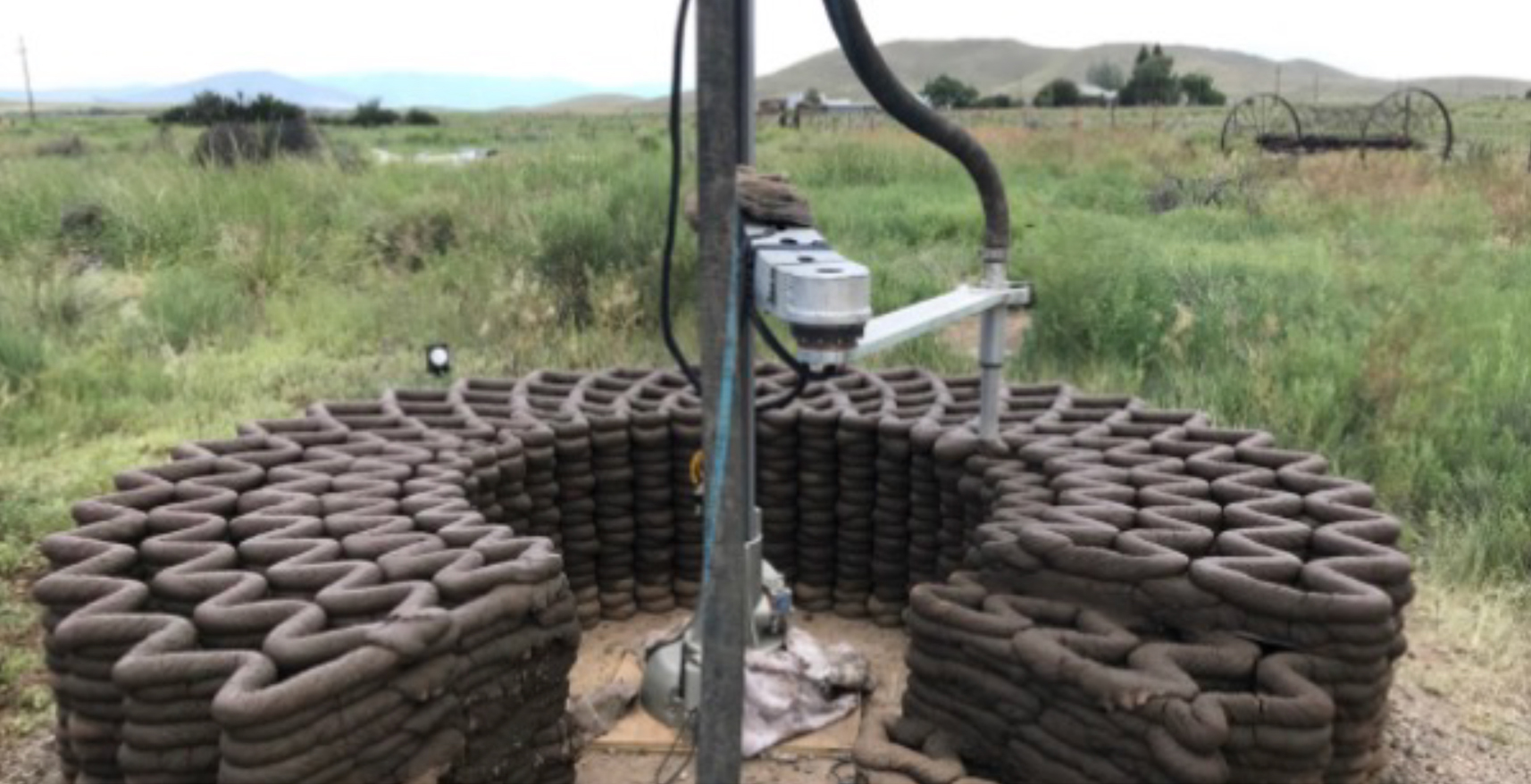
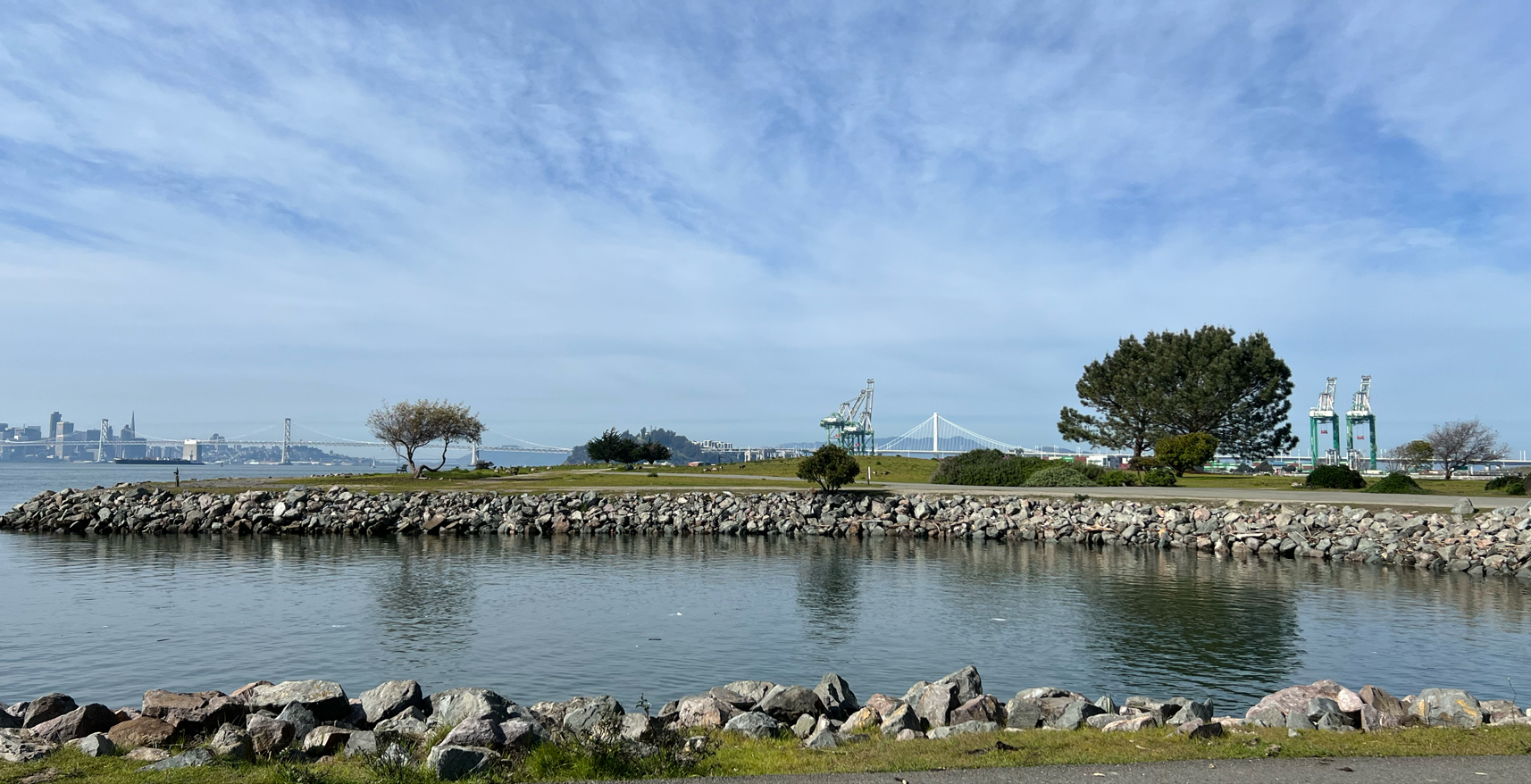
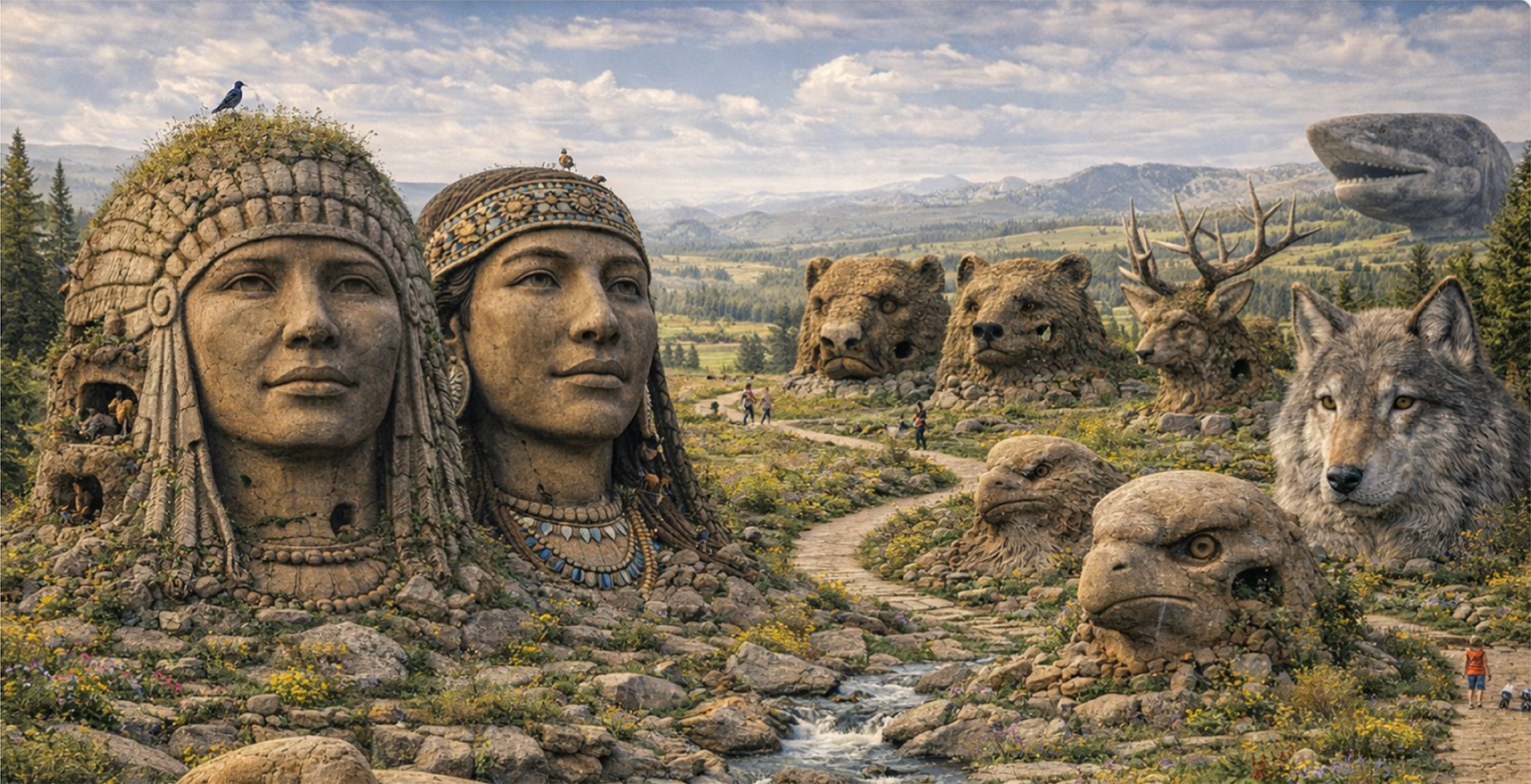
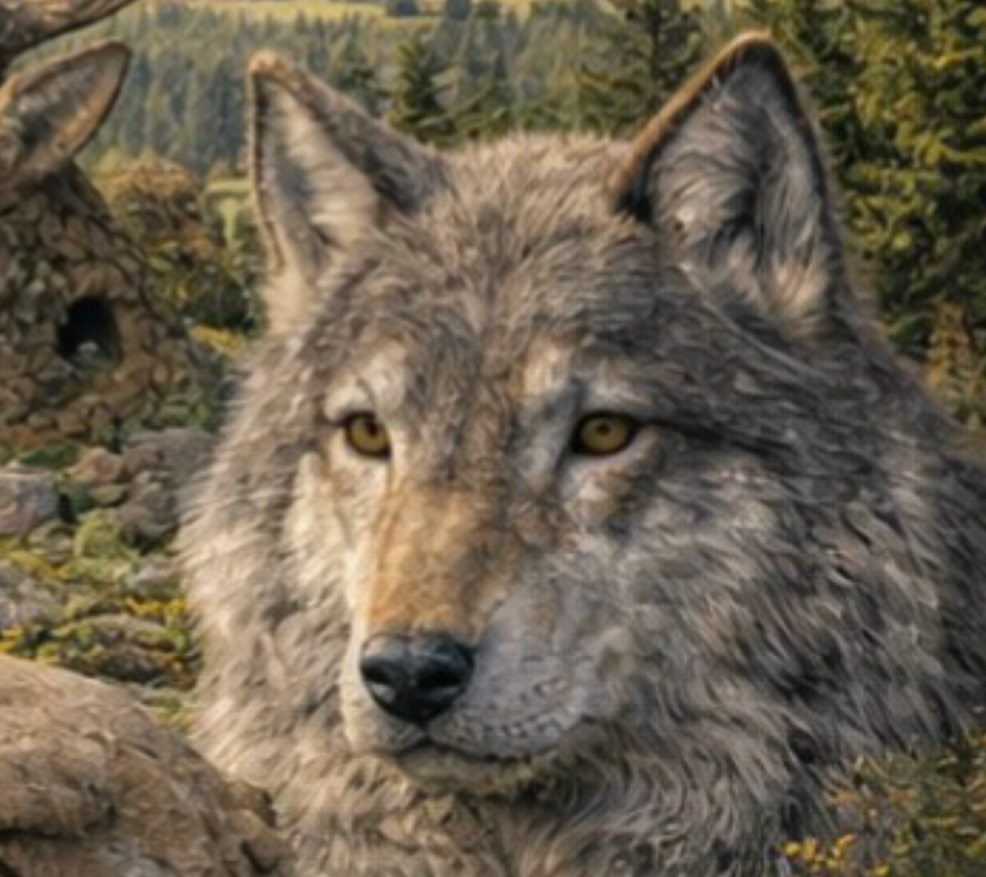
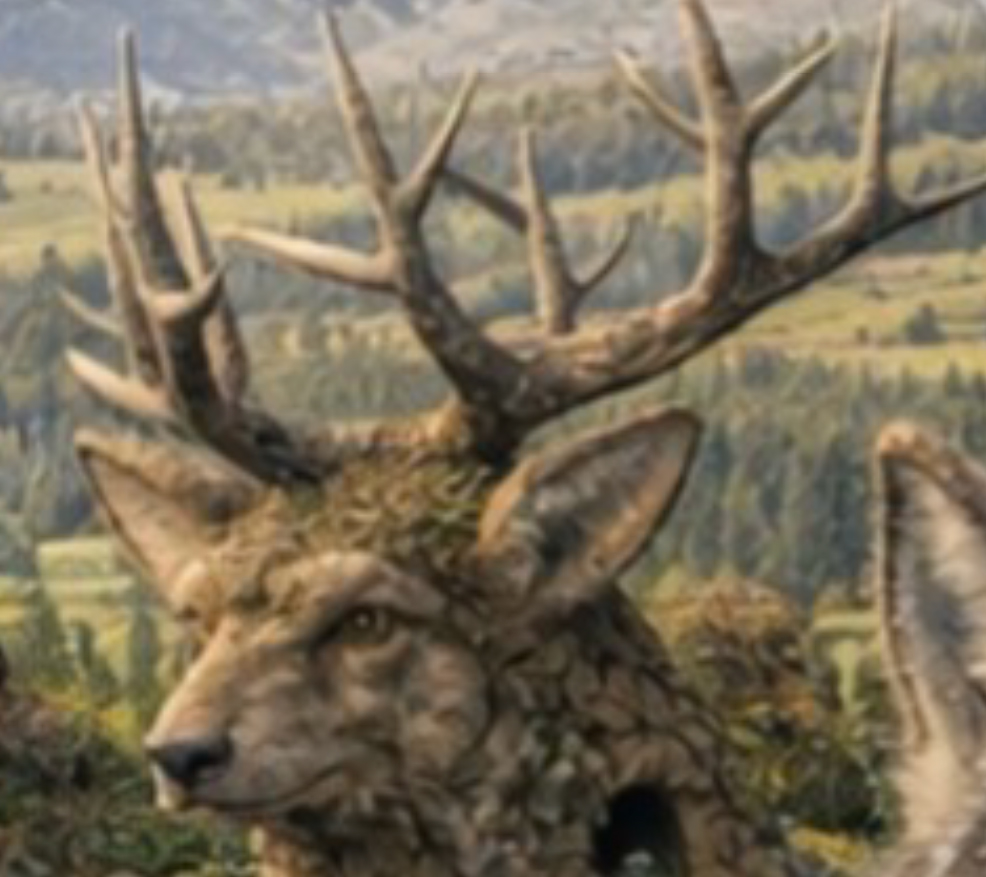
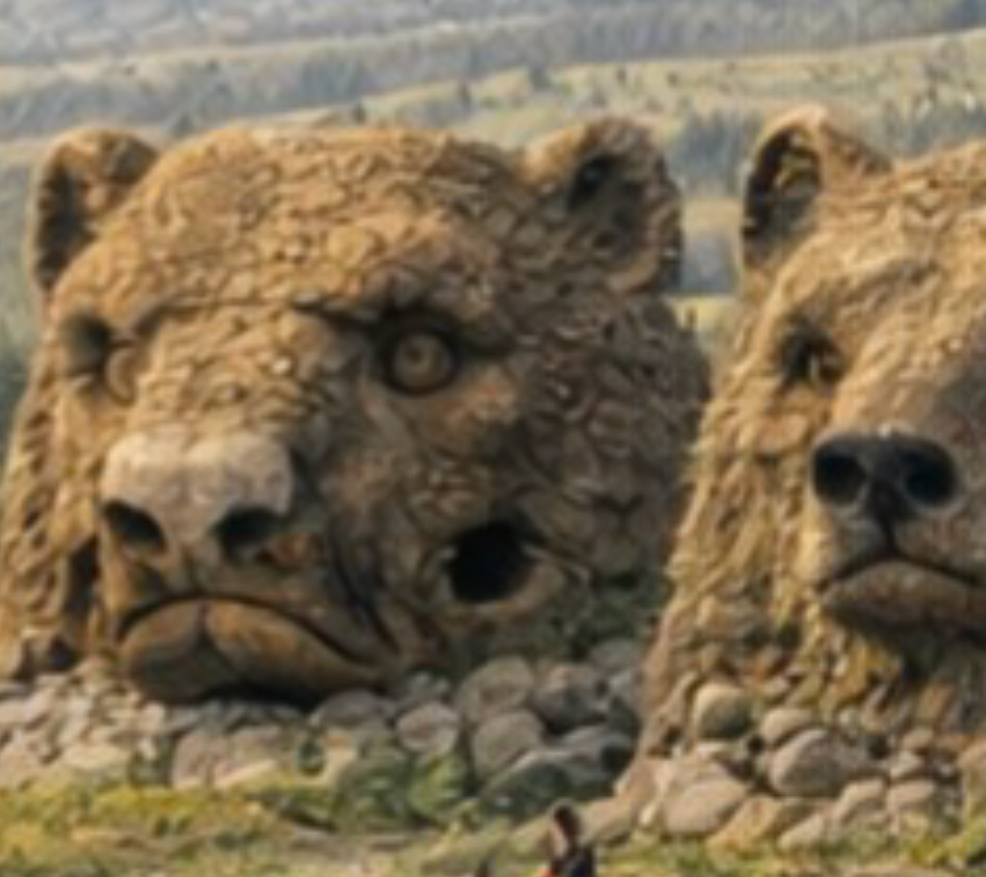
The World of We would be land/water-based public art installations inspired by the powerful aesthetics of Olmec culture that are WORKING sanctuaries. Each sanctuary would feature a series of monumental, neckless heads honoring the disenfranchised, missing, endangered, underdogs, and overlooked lives that need to belong. Neckless imagery symbolizes interrupted lineage, broken migration, severed ecological memory, forced silence, our history. They would be built using site-specific materials with heads placed across the landscape as haunting witnesses to and providing respite from crises, standing guard so that harm does not enter. Belonging doesn’t come from fitting in; The World of We isn’t exclusion — it’s the power from all coming together.
PROPOSAL
The World of We are working sanctuaries—not just protected spaces for life; spaces that are alive. Where we see Mother Nature as sacred:
The World of We are sanctuaries are the opposite of emptiness; they are listening, not as passive witnesses. They are:
Olmec Influence: The Olmec heads evoke an ancestral presence, symbolizing wisdom,
memory, and the spiritual cost of erasure.
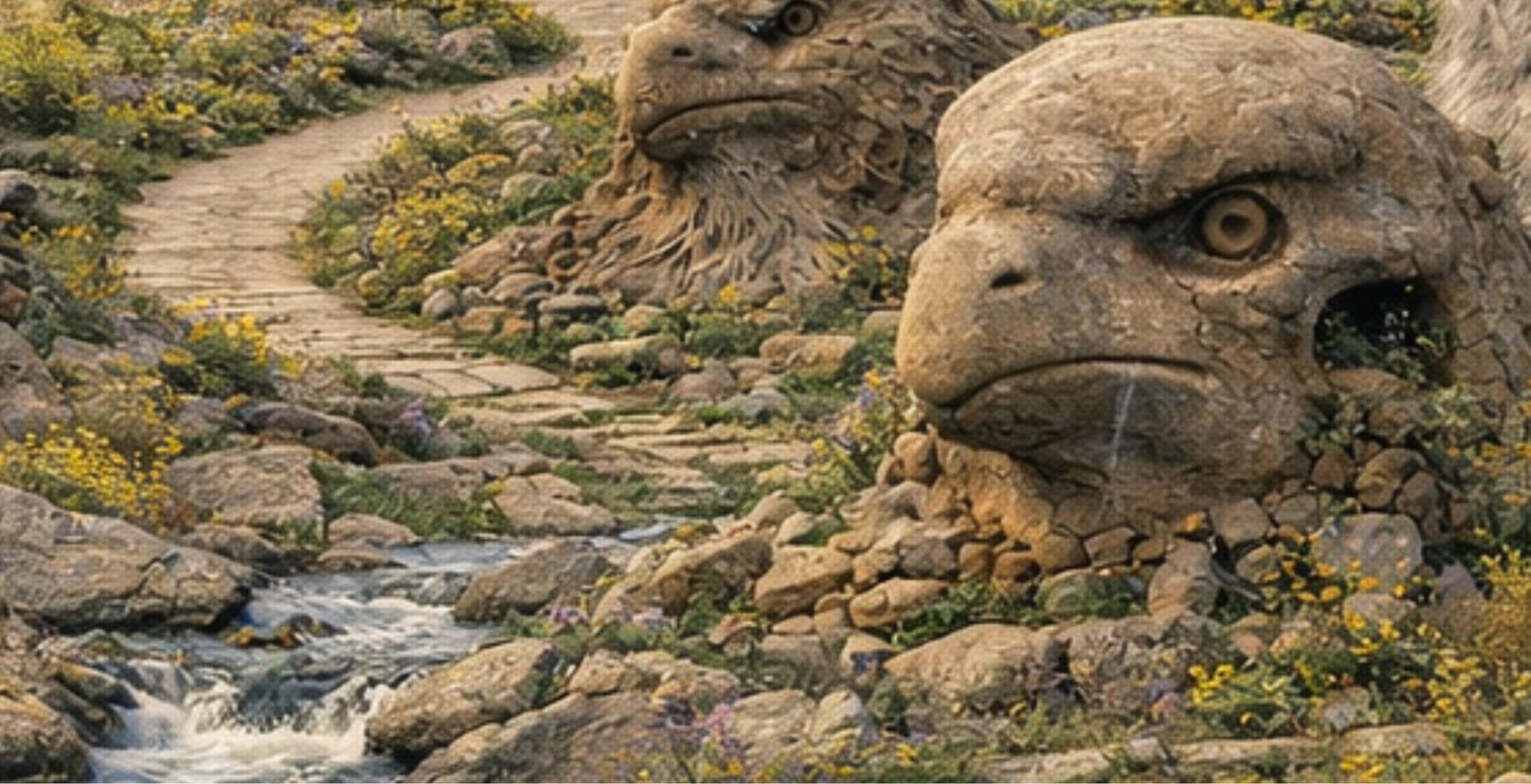
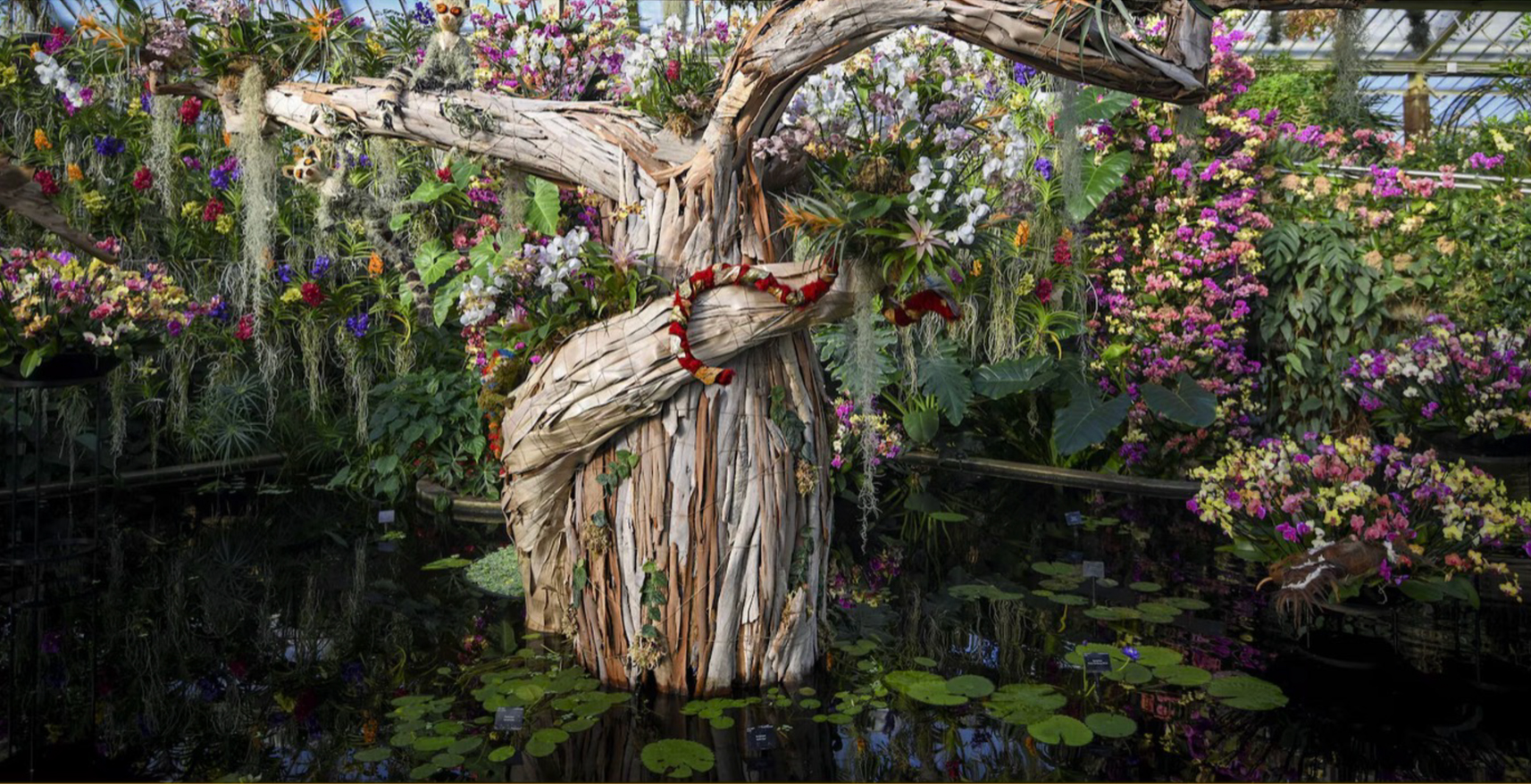
Hollowed Spaces: Each sculpture includes carved cavities and hollows to serve as habitats for bees, birds, fish, fungi, small mammals, native plants, wild flowers, and any life, transforming each head into a living monument. By adding water features, forests, savannas, deserts, hills, the true power of The World of We will be released.
Interspecies Integration across Ecosystems: Native plants are seeded on and around the sculptures, with wildflowers growing from cracks and crevices as symbols of regeneration.
Purpose & Messaging
Community & Impact
Collaborative Process: Partner with Indigenous, migrant, elder, young, disabled artists, environmental scientists, community leaders, the disenfranchised, the scared, the sick, the animals, the plants, the ecosystems to build The World of We together.
Story Archives: QR codes or AR access points at each site can share stories of specific women, animals, plants, fungi, and tribes, fostering educational and emotional connection.
Legacy: Over time, as the heads return to the earth, they leave behind a more hospitable landscape—a poetic metaphor for healing and renewal.
Call to Action
The World of We challenges all to reflect on what is lost when we ignore violence— against people, all life, and the planet—and calls for transformative care, policy change, and land stewardship. We ask: What must we remember, and what must we do, to shape a future that listens, protects, and grows? For example:
Buffalo ➤ slaughter tied to Indigenous genocide;
Salmon ➤ dammed rivers and broken treaties;
Whales ➤ industrial extraction, sonar, shipping lanes;
Bees ➤ chemical agriculture and monoculture collapse;
Missing Indigenous Women ➤ poverty after genocide creates vulnerability.
Bee Sentinels ➤ pollinate;
Salmon Sentinels ➤ oxygenate water;
Whale Sentinels ➤ seed plankton blooms;
Buffalo Sentinels ➤ restore grasslands;
Indigenous Women ➤ provide safe space, we were here, we still belong, and we are watching.
This would be a vision on how the power of art could be used to foster inner growth, deepen self-awareness, and cultivate a connection with something greater than oneself as we build
The World of We.